Few cocktails have experienced a renaissance quite like the espresso martini. Once dismissed as a relic of 1980s cocktail culture, this velvety, caffeinated masterpiece has roared back into the spotlight, becoming the most ordered cocktail at bars and restaurants worldwide. And the best part? You can make one at home that rivals — or surpasses — anything you'd get at a cocktail bar.
The espresso martini occupies a unique space in the drinks world. It's simultaneously a pick-me-up and a wind-down, a dessert and a digestif, a coffee drink and a cocktail. That duality is what makes it so irresistible. Whether you're capping off a dinner party, fueling a late night out, or simply treating yourself on a Friday evening, this drink delivers.
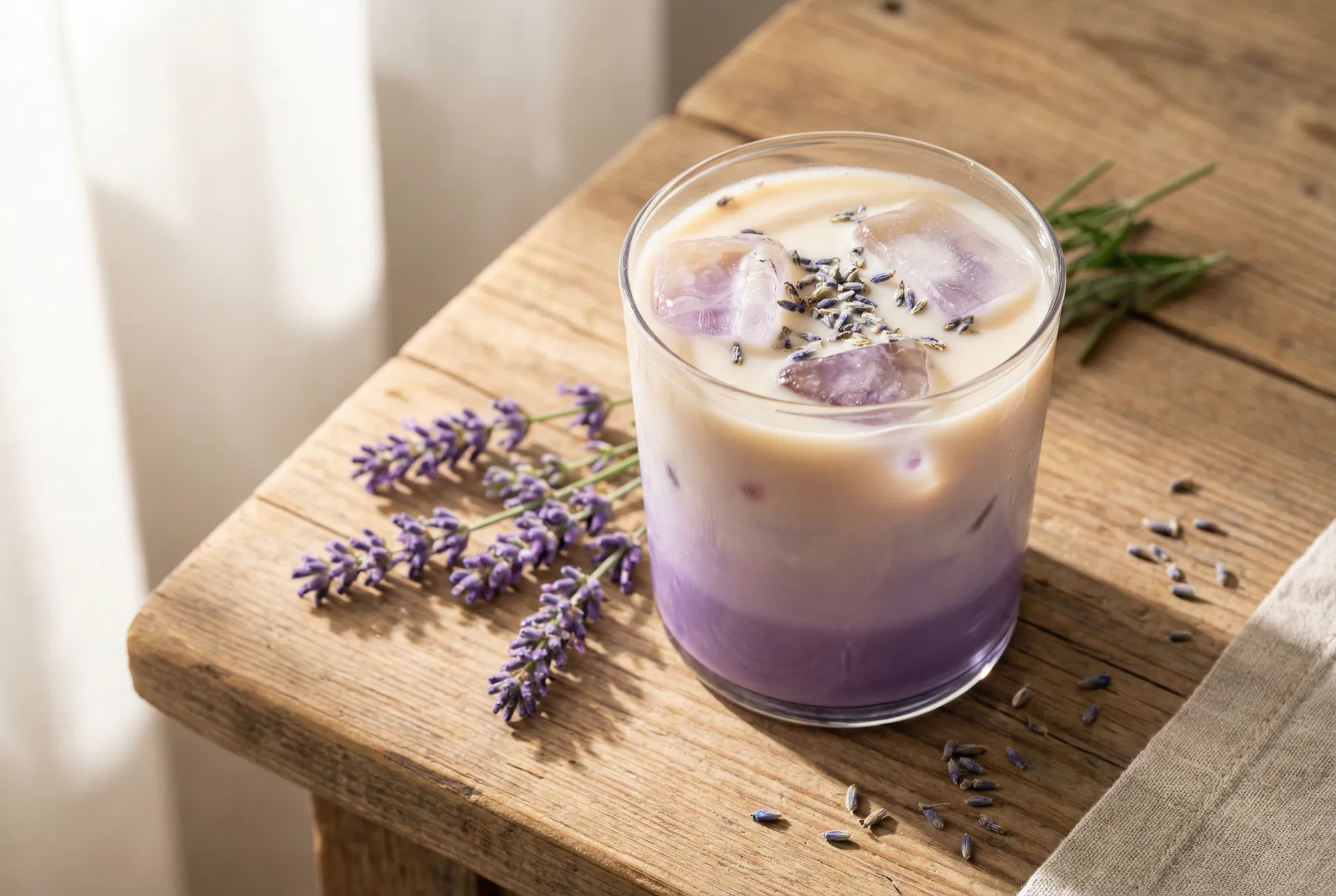
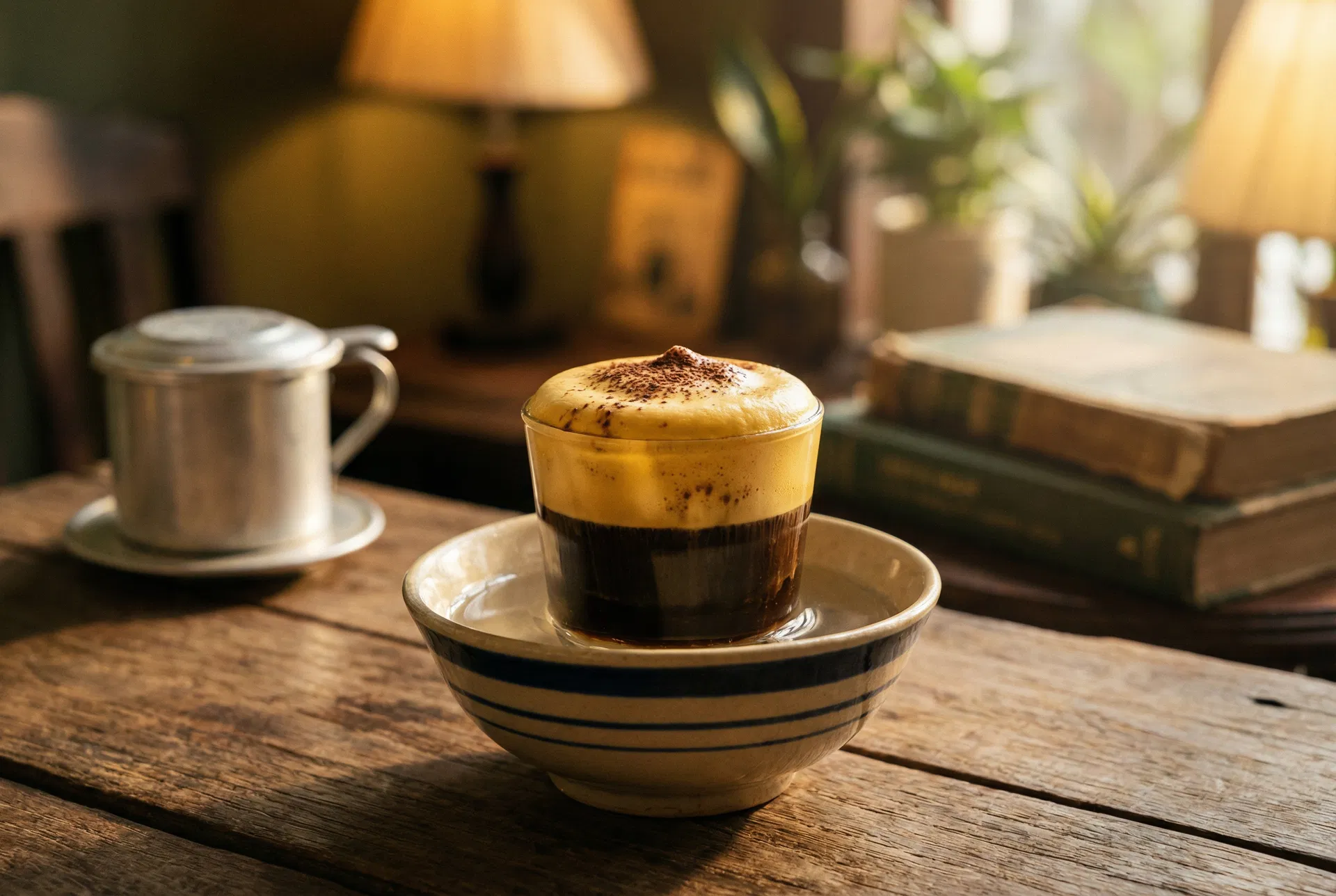
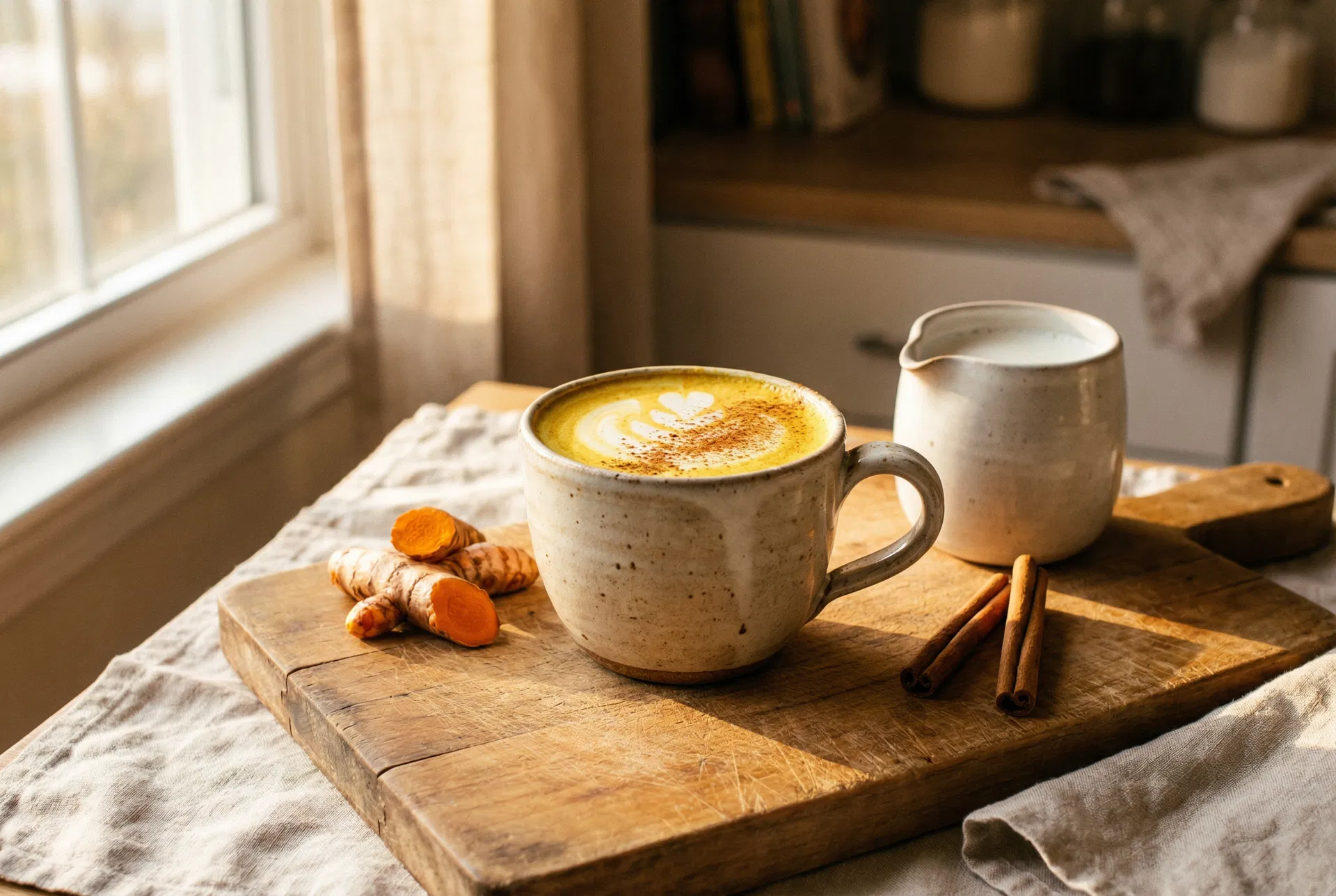
If you've been exploring our other coffee recipes — like the Iced Lavender Oat Milk Latte for daytime sipping or the Turmeric Golden Latte Coffee Recipe for a wellness boost — think of the espresso martini as the sophisticated evening counterpart. Let's break down everything you need to know to master it.
The Origin: A Supermodel, a Bartender, and a Request
The espresso martini was invented in 1983 by legendary London bartender Dick Bradsell at the Soho Brasserie. The story goes that a young model — widely rumored to be Kate Moss, though Bradsell never confirmed this — approached the bar and asked for something that would "wake me up and then mess me up."
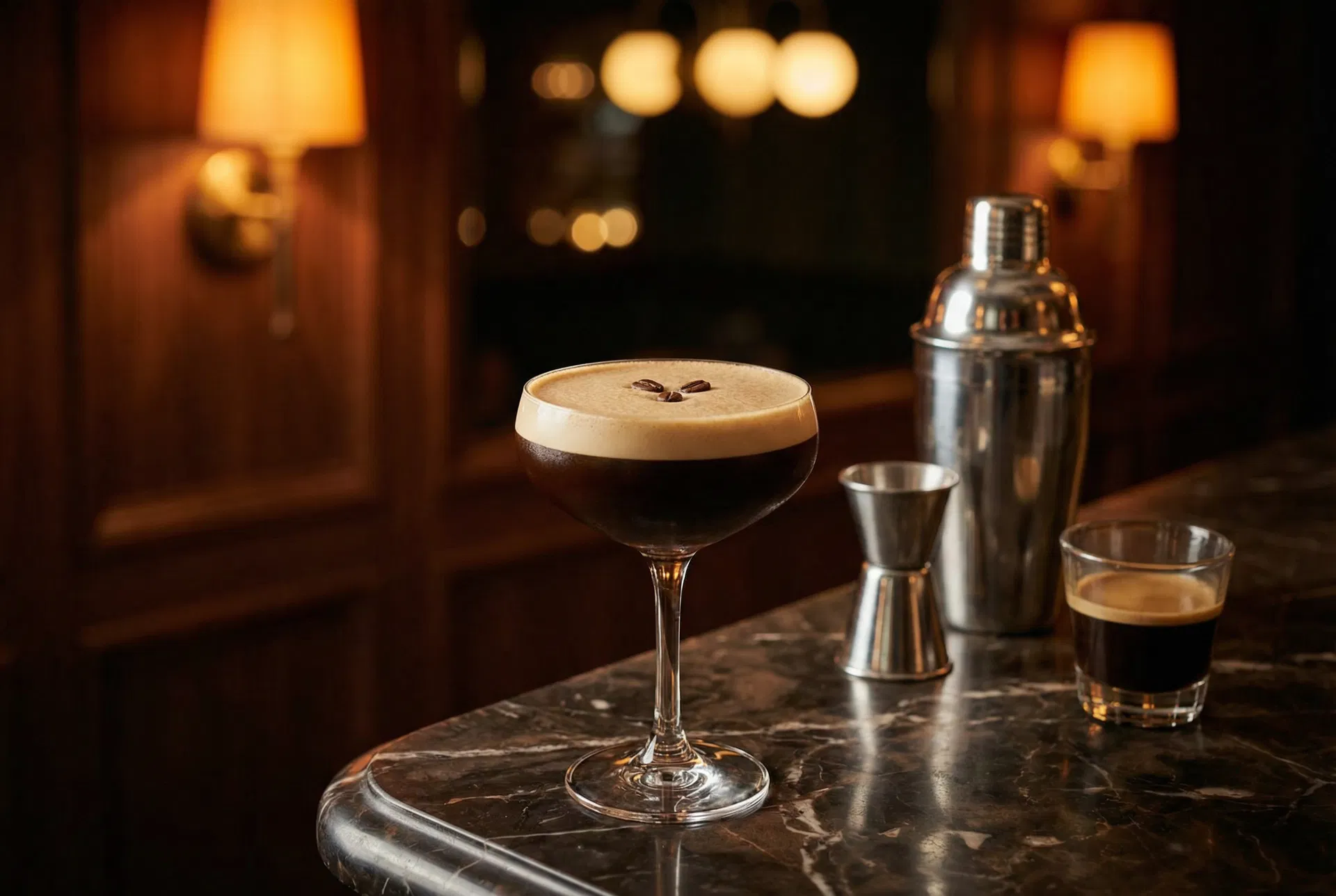
Bradsell, ever the creative mixologist, combined freshly brewed espresso with vodka, coffee liqueur, and sugar syrup. He originally called it the "Vodka Espresso" and served it as a short drink in a rocks glass. It wasn't until the cocktail migrated to his later bar, Match, that it was reborn as the "Espresso Martini" — served up in a V-shaped martini glass with the now-iconic three coffee bean garnish.
The three coffee beans aren't just decorative. In Italian tradition, they represent health, wealth, and happiness — the same symbolism behind serving three beans with sambuca. It's a small detail that adds a layer of intention and elegance to every glass.
The Essential Ingredients
A great espresso martini requires just four ingredients, but the quality of each one matters enormously. First, the espresso: this is the star of the show. You need a freshly pulled shot of espresso — not coffee from a drip machine, not cold brew, and definitely not instant. The crema from fresh espresso is what creates that beautiful, thick foam on top of the finished cocktail.
For vodka, choose a clean, neutral spirit. You don't want a flavored or overly characterful vodka competing with the coffee. Absolut, Ketel One, and Grey Goose are all solid choices. Some bartenders prefer using a coffee-infused vodka for extra depth, but the classic recipe calls for plain.
Coffee liqueur provides sweetness and amplifies the coffee flavor. Kahlúa is the most widely available option, but Mr Black — an Australian cold brew coffee liqueur — has become the bartender's choice for its more intense, less syrupy profile. Tia Maria is another excellent option with a slightly drier character.
Finally, simple syrup balances the bitterness. You can make it by dissolving equal parts sugar and water over low heat. Some recipes omit the simple syrup entirely if the coffee liqueur provides enough sweetness — it's a matter of personal preference. Start with half an ounce and adjust from there.

Cocktail ingredients laid out on a bar counter — vodka, coffee liqueur, and espresso
The Classic Espresso Martini Recipe
Here's the recipe that will make you the most popular host on your block. You'll need 2 ounces of vodka, 1 ounce of freshly pulled espresso (cooled for about 30 seconds), 0.5 ounces of coffee liqueur, and 0.5 ounces of simple syrup. You'll also need a cocktail shaker, ice, and a chilled coupe or martini glass.
Pull your espresso shot first and let it cool slightly — you want it warm, not hot, so it doesn't melt all the ice instantly when you shake. Add the vodka, espresso, coffee liqueur, and simple syrup to your cocktail shaker. Fill the shaker with ice — use plenty, as the vigorous shaking is what creates the foam.
Now, shake hard for 15 to 20 seconds. This isn't a gentle swirl — you want to hear the ice cracking and feel the shaker get frosty cold. The aggressive shaking aerates the espresso crema and creates that signature thick, frothy head. Strain into a chilled coupe glass using a fine mesh strainer to catch any ice shards.
Garnish with three coffee beans placed in a triangle pattern on the foam. The foam should be thick enough to hold the beans without them sinking. If your foam is thin or nonexistent, the most likely culprits are espresso that's too old (it loses crema quickly) or insufficient shaking.
Troubleshooting and Pro Tips
The number one complaint about homemade espresso martinis is weak foam. Here's the fix: your espresso must be freshly pulled — within 30 seconds to a minute of brewing. Espresso crema dissipates rapidly, and without it, you won't get that luxurious foam layer. If you don't have an espresso machine, a Moka pot or AeroPress can produce a concentrated enough brew, though the foam won't be quite as thick.
Temperature control is critical. If your espresso is too hot, it melts the ice too quickly, diluting the drink and preventing proper foam formation. If it's too cold, the oils that create crema have already broken down. The sweet spot is about 30 seconds after pulling the shot — warm to the touch but not steaming.
For an extra-creamy texture, some bartenders add a tiny splash of heavy cream or a bar spoon of egg white to the shaker. The egg white technique, borrowed from whiskey sours, creates an incredibly silky, meringue-like foam. If you're already comfortable with egg in your coffee — as in our Vietnamese Egg Coffee recipe — this shouldn't be a stretch.
Chill your glass in the freezer for at least 15 minutes before serving. A cold glass keeps the drink at the right temperature longer and helps maintain the foam's structure. It's a small step that makes a noticeable difference.
Variations Worth Trying
Once you've nailed the classic, the espresso martini format is endlessly riffable. For a salted caramel version, replace the simple syrup with caramel sauce and add a pinch of flaky sea salt to the rim. It's indulgent, dessert-like, and absolutely addictive.
The "Pornstar Martini" variation swaps some of the coffee liqueur for passion fruit puree and vanilla vodka, creating a tropical-meets-coffee mashup that's wildly popular in the UK. For a non-alcoholic version — sometimes called an "Espresso Mocktail" — use a coffee-flavored syrup, non-alcoholic spirit like Lyre's, and fresh espresso. You'll be surprised how close it gets to the real thing.
For whiskey lovers, try an "Irish Espresso Martini" by substituting the vodka with Irish whiskey and adding a float of Baileys on top. The result is warmer, richer, and perfect for cold weather. You can also experiment with different coffee liqueurs — each one brings a different character. Mr Black is intense and dry, Kahlúa is sweet and vanilla-forward, and Tia Maria sits somewhere in between.
Whatever variation you choose, the espresso martini remains one of the most satisfying cocktails you can make at home. It requires no exotic ingredients, no special training, and no expensive equipment beyond a decent espresso setup and a cocktail shaker. Master it once, and you'll never order one at a bar again — because yours will be better.

Elegant cocktail bar setting with espresso martini variations