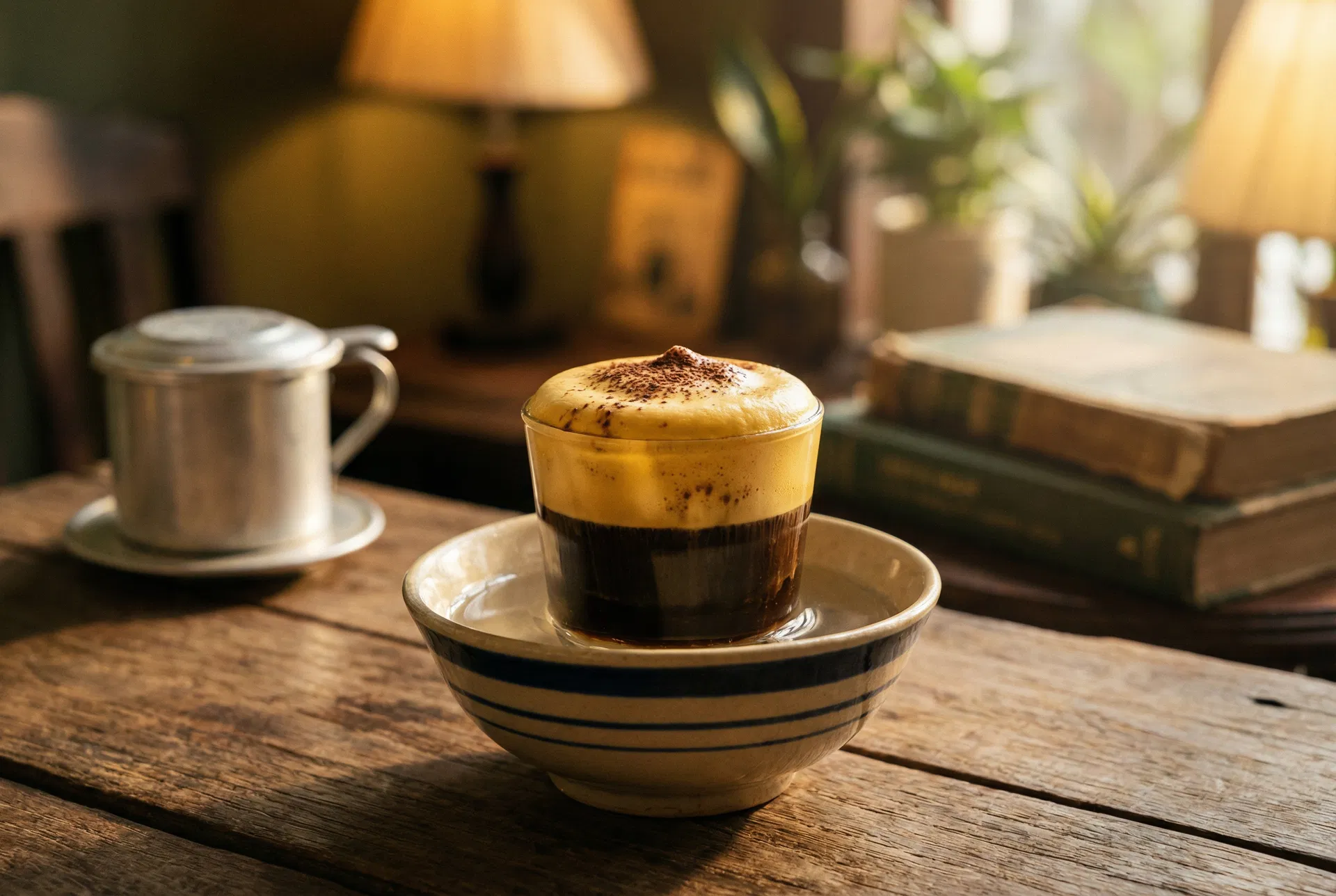
In a small, dimly lit cafe on a narrow street in Hanoi's Old Quarter, a barista carefully whisks egg yolks with sweetened condensed milk until the mixture becomes a thick, golden cloud. He spoons it gently over a glass of intensely dark Vietnamese coffee, and the result is something that defies every expectation you might have about what coffee can be. This is cà phê trứng — Vietnamese egg coffee — and it's one of the most remarkable drinks in the world.
The concept might sound strange to Western palates. Eggs in coffee? But one sip and the skepticism melts away. The egg cream topping is silky, rich, and sweet — more like a warm custard or tiramisu mousse than anything remotely "eggy." Beneath it, the robust Vietnamese coffee provides a bitter, smoky counterpoint that makes the whole experience feel balanced and deeply satisfying.
What makes this drink truly special is its origin story — a tale of resourcefulness born from scarcity that became a beloved national treasure. If you enjoy discovering unique coffee traditions from around the world, you'll also want to read about Coffee Fortune Telling, another fascinating cultural practice centered around the humble cup.
The Origin Story: Invention Born from Scarcity
Vietnamese egg coffee was invented in 1946 by Nguyen Van Giang, a bartender at the legendary Sofitel Legend Metropole Hotel in Hanoi. During the First Indochina War, fresh milk was extremely scarce in Vietnam. Giang, determined to find a substitute for the milk traditionally used in coffee, turned to an unlikely ingredient: egg yolks.
He discovered that vigorously whisking egg yolks with sweetened condensed milk — which was more readily available as an imported canned product — created a rich, frothy cream that could replace milk beautifully. The resulting drink was so popular that Giang eventually left the Metropole to open his own cafe, Cafe Giang, in 1946. That cafe still operates today at 39 Nguyen Huu Huan Street in Hanoi, now run by his son, and it draws visitors from around the globe.
The drink's popularity spread throughout Hanoi and eventually across all of Vietnam. Today, nearly every traditional cafe in Hanoi serves their own version of cà phê trứng, each with subtle variations in sweetness, foam density, and coffee strength. It has become as essential to Vietnamese coffee culture as the phin filter itself.
Understanding Vietnamese Coffee
To truly appreciate egg coffee, you need to understand the coffee that forms its foundation. Vietnamese coffee is predominantly made from Robusta beans, not the Arabica that dominates Western coffee culture. Vietnam is the world's second-largest coffee producer and the largest producer of Robusta, which thrives in the country's central highlands.
Robusta beans have nearly twice the caffeine content of Arabica and produce a brew that's bolder, more bitter, and earthier. This intensity is essential for egg coffee — a milder Arabica would get completely overwhelmed by the rich egg cream. The strong, almost chocolatey bitterness of Robusta cuts through the sweetness and creates that perfect yin-yang balance.
Vietnamese coffee is traditionally brewed using a phin filter — a small, single-serving metal drip device that sits atop your cup. The phin produces a slow, concentrated brew that's somewhere between drip coffee and espresso in strength. If you don't have a phin, a strong French press brew or a double espresso shot makes a reasonable substitute. For more on brewing methods, check out our article on Instant Coffee Improvements and Innovations.
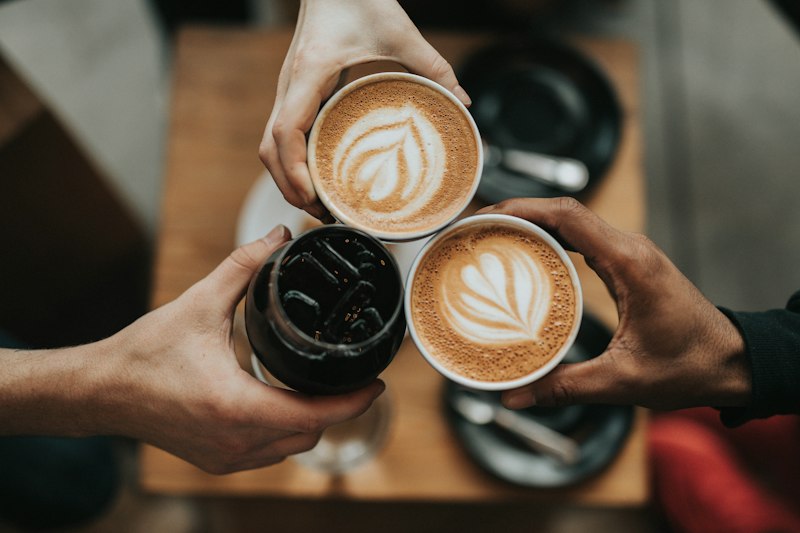
Vietnamese phin coffee filter dripping dark coffee into a glass
The Classic Ca Phe Trung Recipe
Making authentic Vietnamese egg coffee at home is surprisingly straightforward. You'll need two egg yolks (from the freshest eggs you can find), two tablespoons of sweetened condensed milk, one teaspoon of sugar (optional, depending on your sweet tooth), and one strong cup of Vietnamese coffee or a double espresso.
Start by brewing your coffee using a phin filter or your preferred strong-brew method. While the coffee drips, prepare the egg cream. Place the egg yolks in a small, deep bowl and add the sweetened condensed milk. Using a hand mixer or a very vigorous whisk, beat the mixture for three to five minutes until it becomes thick, pale, and foamy — it should roughly triple in volume and hold soft peaks.
Pour the hot coffee into a small glass or cup, filling it about two-thirds full. Gently spoon the egg cream on top, letting it float like a golden cloud. The traditional serving method places the glass in a small bowl of hot water to keep everything warm while you sip. Dust the top with a pinch of cocoa powder for an extra touch of elegance.
To drink it properly, you can either stir the egg cream into the coffee for a uniformly rich experience, or sip through the layers — starting with the sweet, custard-like foam and gradually reaching the bitter coffee beneath. Both approaches are equally valid and delicious.
Tips for the Perfect Egg Foam
The egg foam is the soul of this drink, and getting it right makes all the difference. The most important factor is freshness — use the freshest eggs you can find, ideally from a local farm or farmers' market. Fresh egg yolks are more viscous and whip up into a denser, more stable foam.
Temperature matters too. Room-temperature egg yolks whip better than cold ones, so take your eggs out of the fridge about 30 minutes before you start. If you're concerned about consuming raw eggs, you can use pasteurized eggs, which are heat-treated to eliminate bacteria while remaining liquid.
The whisking technique is crucial. An electric hand mixer on medium-high speed for three to five minutes produces the best results. You're looking for a consistency similar to thick whipped cream or Italian meringue — pale yellow, glossy, and able to hold its shape when you lift the whisk. Under-whisking produces a thin, runny topping that sinks into the coffee. Over-whisking (though difficult) can make it grainy.
Some Vietnamese cafes add a tablespoon of butter or cheese to their egg cream for extra richness. While not traditional to the original recipe, these additions create interesting variations worth experimenting with. If you're intrigued by cheese in coffee, don't miss our article on Cheese Coffee Kaffeost, a Scandinavian tradition that takes dairy-in-coffee to another level entirely.
Where to Experience Egg Coffee
If you ever find yourself in Hanoi, visiting Cafe Giang is an absolute must. The original location is tucked away in a narrow alley, and the atmosphere — tiny stools, low tables, and walls covered in decades of coffee history — is as much a part of the experience as the drink itself. They've been serving the same recipe since 1946, and the consistency is remarkable.
Beyond Cafe Giang, Hanoi's Old Quarter is dotted with cafes serving their own interpretations. Cafe Dinh, located near Hoan Kiem Lake, serves egg coffee in a charming rooftop setting. Loading T Cafe offers a modern twist in a beautifully designed space. Each cafe brings its own personality to the drink while honoring the tradition.
Outside Vietnam, egg coffee has started appearing on menus in specialty coffee shops in major cities worldwide. From Brooklyn to London to Melbourne, adventurous baristas are introducing this Hanoian classic to new audiences. But nothing quite compares to sipping it in the city where it was born, surrounded by the buzz of motorbikes and the aroma of phin-brewed coffee drifting from every corner.
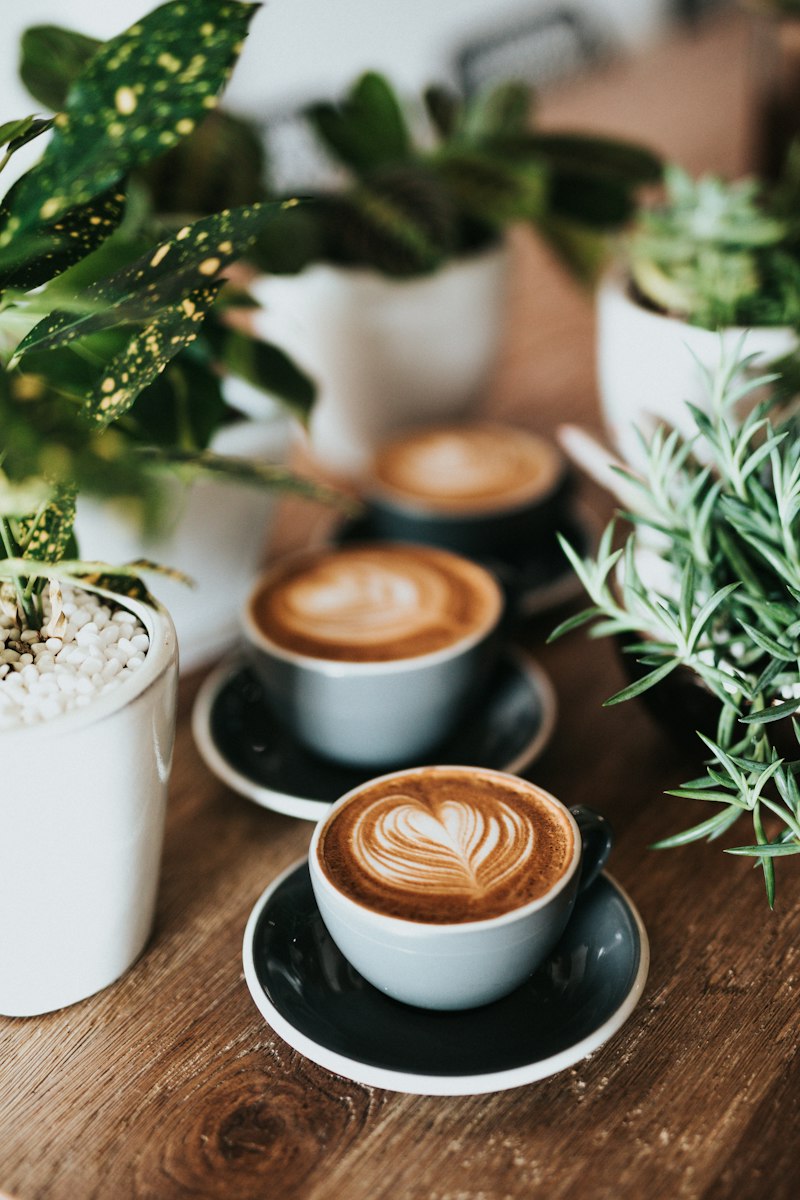
Cozy cafe atmosphere with warm lighting, perfect for enjoying Vietnamese egg coffee